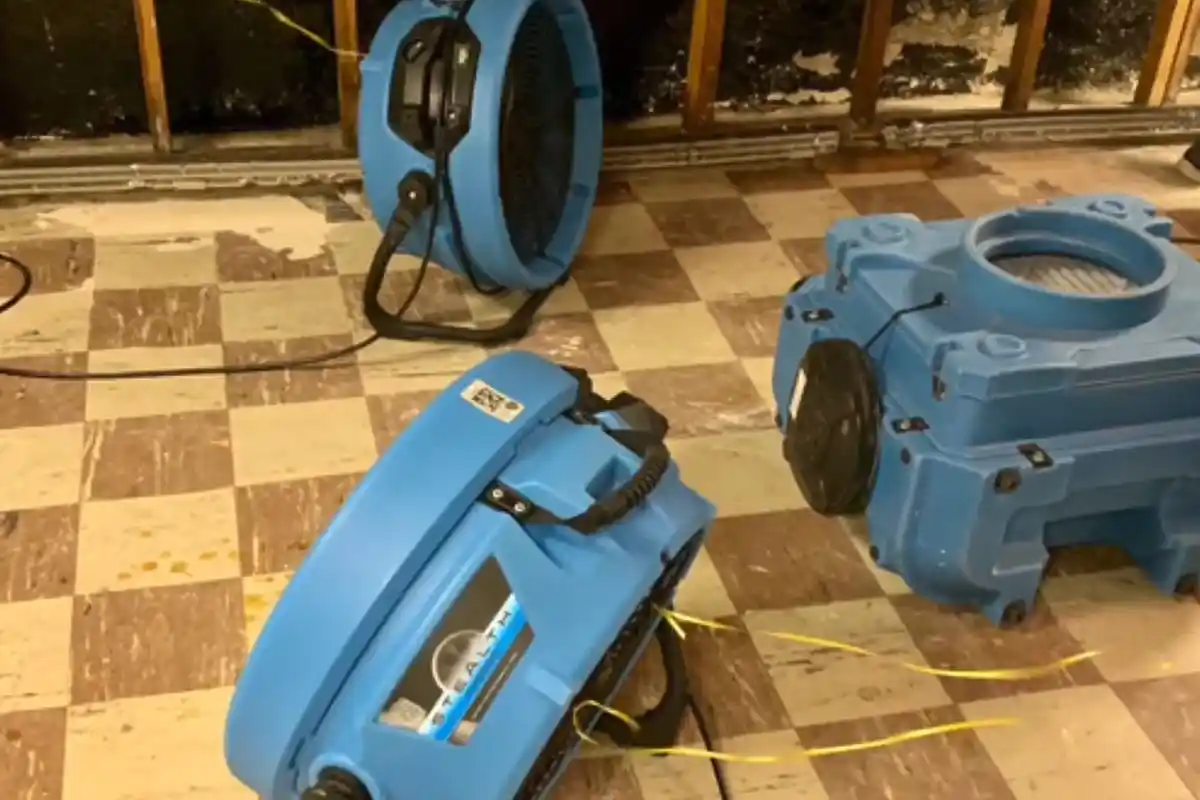
Water damage is a 24/7 emergency, and every hour it sits is more damage to drywall, flooring, and framing. Water damage in a Parker home rarely comes from one cause. A basement can take on water from a Cherry Creek-area storm overwhelming an older subdivision's drainage, from a supply line stressed by the region's expansive bentonite clay, or from a water heater that finally gave out overnight. Parker Express Plumbing responds around the clock, starting with locating and stopping the source of the water, then moving into extraction and structural drying. We work Parker, Douglas County, from Stonegate to Stroh Ranch, any hour of the day.
Parker sits inside the Palmer Divide hail corridor, an area the National Weather Service has documented as producing some of the highest large-hail report density per square mile in Colorado. Summer afternoon storms can drop flash-flood levels of rain in under an hour, and Cherry Creek and its tributary Sulphur Gulch can overwhelm stormwater systems built before current standards, particularly in subdivisions developed during the 1990s and 2000s growth boom. Underneath all of that sits bentonite-rich expansive clay, which swells when wet and contracts when dry. That movement stresses foundations and underground pipe joints year-round, and it is a common contributor to basement crack infiltration that has nothing to do with the weather at all. Homeowners in nearby Highlands Ranch deal with the same underlying conditions.
Discoloration that spreads or darkens after a storm usually means water is still moving behind the wall.
A persistent damp smell, especially after heavy rain, often points to slow seepage through a foundation crack.
Laminate and hardwood that lifts at the seams has usually absorbed standing water from below.
Cracks that widen after wet-dry cycles are a signature sign of expansive clay movement pushing on the slab.
We start with a moisture map using a penetrating moisture meter across drywall, subfloor, and framing, then trace the water back to its source, whether that is a failed supply line, a foundation crack from clay movement, or storm intrusion through a window well or grade slope. Extraction uses commercial-grade pumps and wet vacuums, followed by structural drying with air movers and dehumidifiers set to the actual moisture readings, not a fixed schedule. We document every reading for your insurance claim. If the issue turns out to be related, we can also handle Water Mitigation during the same visit.
If you are standing in water right now, shut off the water source if you can safely reach it, move anything electrical off the floor, and call. Do not run a shop vac on standing water near an outlet. The first hour matters more for stopping the spread of the damage than for the cleanup itself, and a technician on the phone can walk you through safe steps while a truck is on the way.
Most homeowner policies cover sudden and accidental water damage, such as a burst supply line, but exclude gradual seepage or flood water without a separate flood rider. We document cause and moisture readings either way so you have what you need for a claim.
We document the damage, cause, and drying process in a form insurers accept, and can speak with your adjuster, but the claim itself is filed by you or your agent.
Most residential jobs run 2 to 4 days of equipment time, checked daily against moisture readings rather than a fixed calendar.
That depends on your policy and whether the water came from a covered source like a supply line versus surface flooding, which usually needs a separate rider.
Yes, a ceiling or wall leak that has already stained or dripped through is a water damage call, we trace it back to the source, whether that is a supply line, the roof, or a fixture above, as part of the same visit.
Water sitting in a Parker basement for even a day starts to affect drywall, subfloor, and eventually framing. Call our 24/7 emergency line now and we will get a truck moving while you shut off what you safely can, any hour, any day. Not sure if this is the right service? Ask us about it when you call.
One call and a licensed Parker plumber is on the way.
☎ Call (833) 521-1033Serving Parker and every neighborhood in it, plus Centennial, Castle Rock, Highlands Ranch, Castlewood, and Lone Tree.